

AI's Role in
Revolutionizing
Game Development
Evolving from Concept to Market
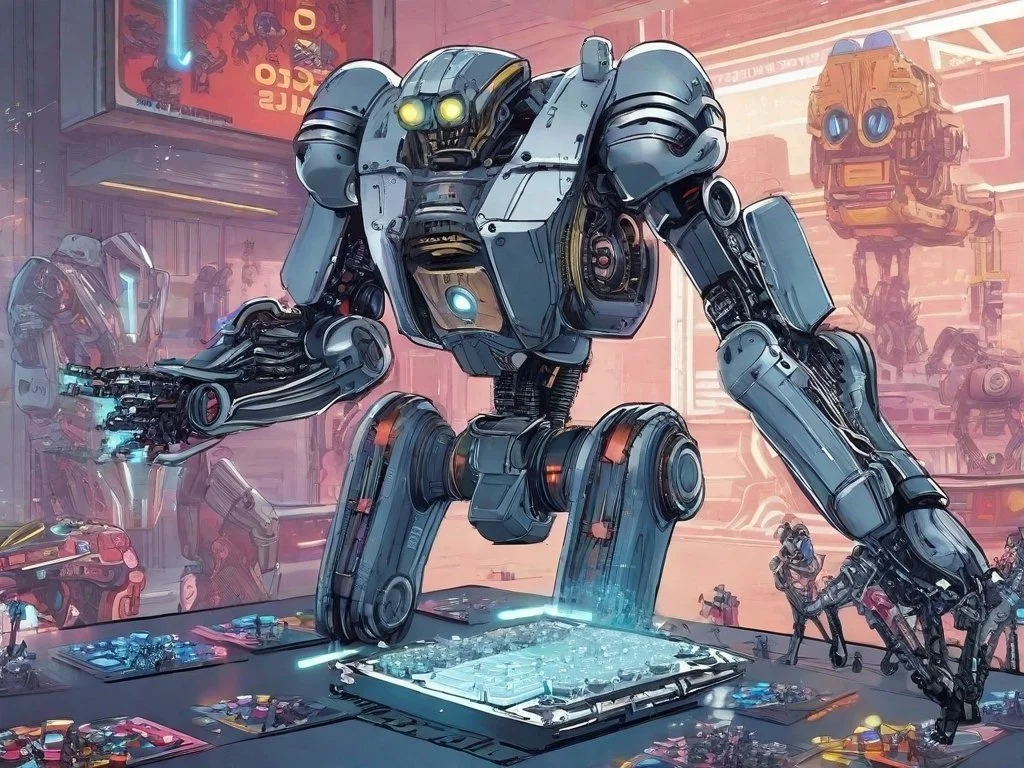
AI-assisted game development introduces a transformative dimension to this process. AI contributes across diverse facets, including procedural content generation, wherein algorithms craft levels, characters, and environments. Machine learning enriches player experiences by predicting player behavior and adjusting gameplay accordingly. Furthermore, AI-powered testing streamlines the detection of potential issues, enhancing efficiency in the development pipeline.

More than 4 billion devices already work on AI-powered voice assistants
Of mobile users are
using AI-powered voice assistance
97%

Achieving More with a Leaner Workforce
AI can generate game levels, maps, and environments, reducing the need for a large team of level designers. This streamlines the content creation process and allows developers to focus on refining gameplay mechanics.
AI-driven testing tools can automate the identification of bugs, glitches, and balance issues, reducing the need for extensive manual testing by quality assurance teams.
AI-powered chatbots can handle player inquiries, troubleshooting, and support, decreasing the requirement for a large customer service team while providing 24/7 assistance.
AI can predict player churn and offer personalized incentives to keep players engaged, reducing the need for excessive manual efforts in retaining the player base.
AI-enhanced procedural storytelling creates dynamic narratives tailored to player choices, enhancing immersion and replay value, reducing the reliance on static pre-scripted sequences.
AI-driven player behavior analysis allows for the fine-tuning of in-game economies, difficulty levels, and rewards, optimizing player satisfaction and minimizing the need for constant manual adjustments.